Downspout & Drainage Services in Dayton, Ohio
Dayton Gutter Pros installs and repairs downspouts and drainage systems throughout Dayton and surrounding areas. The best gutters in the world are useless if the water ends up at your foundation. Free estimates on all drainage work.
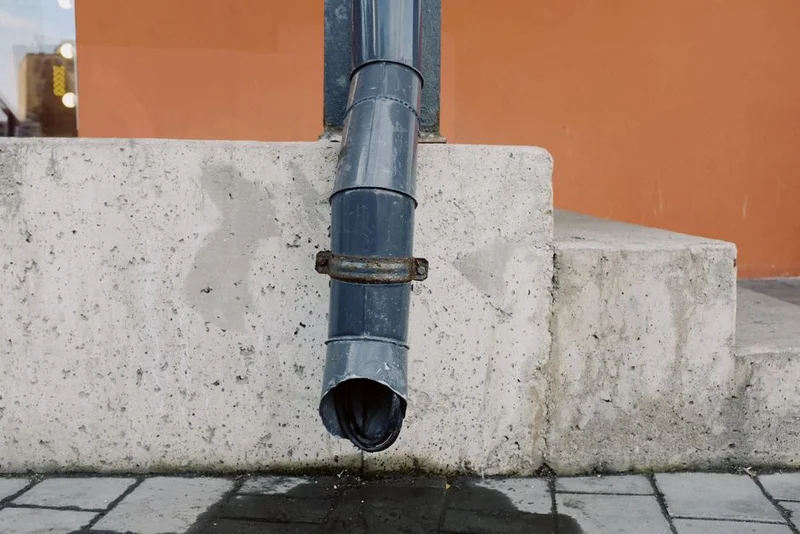
The Most Overlooked Part of Any Gutter System
Here's a statistic that surprises most Dayton homeowners: over 60% of basement water problems are caused not by failed gutters, but by downspouts that dump water too close to the foundation. A single downspout discharging at the corner of your house dumps approximately 600 gallons of water against your foundation during a 1-inch rainfall. Multiply that by 4-6 downspouts on a typical Dayton home, and you're dumping 2,400-3,600 gallons of water around your foundation — every single storm.
Dayton's clay-heavy soil makes this worse. Clay expands when wet, pushing against basement walls. When it dries, it contracts, leaving gaps. Over years, this cycle causes foundation cracks, basement leaks, and in severe cases, structural wall movement. Proper downspout drainage — moving water at least 6 feet from the foundation — prevents all of this.
Downspout & Drainage Solutions
Downspout Extensions
Rigid or flexible extensions that carry water 6-10 feet from your foundation. The simplest, most cost-effective drainage fix for most Dayton homes.
Buried Drain Lines
Underground PVC pipes that carry water to a pop-up emitter in your yard, a dry well, or the street. Invisible, permanent, and the gold standard for drainage.
Splash Blocks & Grates
Concrete or plastic splash blocks positioned under downspout openings to disperse water and prevent soil erosion at the discharge point.
French Drains
For yards with persistent standing water. A gravel-filled trench with a perforated pipe that collects and redirects groundwater away from your home.
Benefits of Proper Drainage
- Prevent basement flooding — the #1 cause of wet basements in Dayton is downspouts discharging at the foundation
- Stop foundation cracks — hydrostatic pressure from saturated soil pushes against foundation walls. Move the water, remove the pressure
- Eliminate soil erosion — a single downspout without a splash block can wash out a flower bed in one storm
- Prevent ice hazards — water pooling on walkways and driveways in winter freezes into dangerous ice patches
- Protect landscaping — concentrated downspout discharge kills grass, washes away mulch, and drowns plant roots
How Much Do Drainage Solutions Cost in Dayton?
Downspout extensions start at $75-$150 per downspout. Buried drain lines range from $400-$1,200 depending on length and whether we're tying into existing drainage or installing a new dry well. French drains run $1,500-$4,000 for a typical Dayton yard. We'll assess your property during the free estimate and recommend the most cost-effective solution — not the most expensive one.
How Dayton's Clay Soil and Basements Change the Drainage Equation
Where the Water Actually Needs to Go
A perfect gutter system still fails the house if the downspouts dump runoff at the foundation. Dayton's clay-heavy soil drains slowly and swells when wet, pressing water against basement walls — which is why so many older Dayton and Kettering basements seep after storms. The fix is getting water decisively away from the house: downspout extensions and splash blocks for simple cases, buried drain lines running to a pop-up emitter in the yard for homes where surface extensions aren't enough, and re-grading or a French drain where water collects against the foundation.
Sizing Drainage to the Storm, Not the Average Day
Drainage has to handle the worst day, not the typical one. A single heavy Miami Valley thunderstorm can send hundreds of gallons off an average roof in an hour. Undersized or buried lines that clog turn that volume back toward the foundation. We match downspout count and drain-line diameter to your roof area and route discharge to where it can't migrate back, protecting the basement and preventing the soil erosion that undermines foundations and landscaping over time.
Downspout & Drainage FAQ
How far should downspouts extend from the house?
At minimum 6 feet. For Dayton homes with basements on clay soil, we recommend 10 feet. Buried drain lines that discharge to a pop-up emitter 15-20 feet away are the ideal solution.
Do buried drain lines freeze in winter?
When installed below the frost line (30-36 inches in Ohio) and pitched correctly, buried drain lines drain completely after each rain and don't hold standing water that can freeze. We install all buried lines below the frost line for this reason.
Can you tie into existing drainage?
Yes — if your property has existing storm drains, dry wells, or drainage swales, we can connect downspouts to them. This is often the most cost-effective solution for homes that already have partial drainage infrastructure.
Need Better Drainage in Dayton?
Call (937) 555-0142 for a free property inspection and drainage plan — usually same-day.
📞 (937) 555-0142